Learning & empowerment hub
- Adult literacy and technical training (tailoring, carpentry, climate-smart farming, digital skills).
- Mentorship programs and youth leadership labs.
- Women’s empowerment workshops and cultural exchange networks.
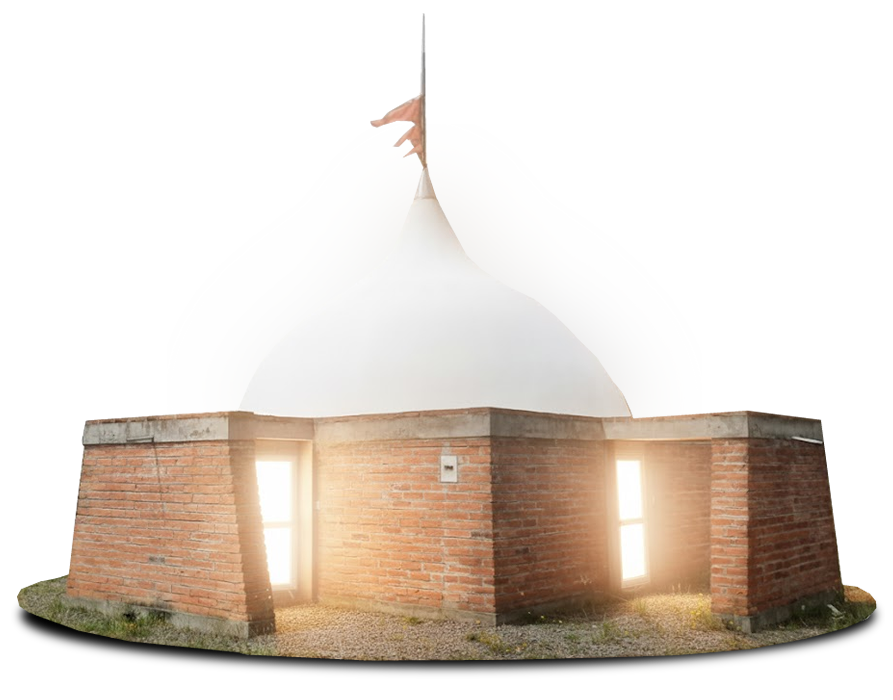
United to create a space for study, reflection, and social transformation inspired by Universal Humanism. Your experience and solidarity can accelerate the construction of a park for Eastern Africa and the global humanist movement.
Humanist Study and Reflection Parks are sacred places built by teachers of the Humanist School who have completed their training in Self-Liberation and a discipline (Energetic, Morphological, Material, or Mental). They are intended for retreats, study, reflection, and meditation.
The School’s objectives are the transformation of human consciousness and the evolution of humanity. Parks are often located in isolated places, away from ordinary life, to foster environments suitable for study and reflection.
Members of the School visit the parks to carry out study and reflection work and to uplift their spirits away from daily life. They are psychological recomposers.
Parks to be developed require a sufficient number of School members to guarantee the purchase of land, construction of facilities, and maintenance, which depends exclusively on members’ contributions; otherwise, they are not viable.
Parks are coordinated by a Commission elected from among the School members in each location and are autonomous from other parks in their development and implementation. Decisions are made by consensus and voting, promoting participatory culture to overcome individualism, believing that environments transform individuals in an aspired direction.
Parks have volunteer caretakers according to rotations and schedules agreed upon by School members.
Parks do not accept donations or request funding from governments or institutions of any kind to avoid coercion in their free thematic and action development. They have no monetary dependency on municipalities, councils, governments, or companies.
Parks are funded through periodic contributions from members according to specific schedules.
It is a living, open community space that intertwines education, culture, sustainability, and wellbeing, guided by the principles of human dignity, nonviolence, and supportive cooperation. It is conceived as a fabric of learning, exchanges, and inner experiences that strengthen people and their social transformation projects.
The Humanist Movement promotes personal development that is inseparable from social relationships. It seeks the humanization of the world, fosters an anti-discriminatory and internationalist culture, and adopts nonviolence as its methodology for action.
This park along the Tana River basin will bring together manuals, seminars, and retreats from the Study and Reflection Centers. Every space will invite sustained personal growth and the coordination of initiatives that nurture social transformation in the region.
The word “Silo” symbolizes growth, sustainability, and the ability to preserve collective wisdom. Here, Humanism flourishes by celebrating creativity, equality, and cooperation within a nation free of violence.
The park will be a catalyst for integral development in the Tana River region. Its purpose is to accompany those who seek personal growth while creating transformative projects, strengthening social bonds, and multiplying supportive initiatives.
Manuals, seminars, and retreats will synthesize the theory and practice of Universal Humanism. Open-air environments and the park’s architecture will facilitate profound inner experiences and enriched cultural exchanges across communities and generations.
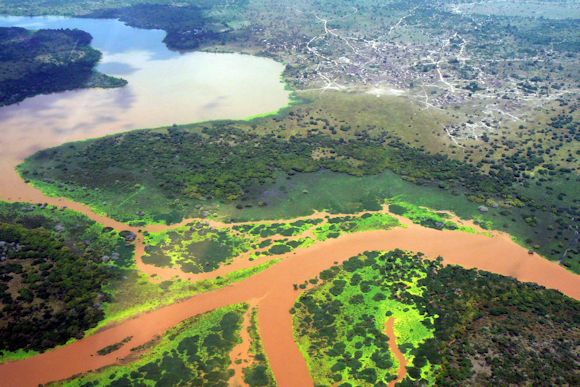
An ecosystem of learning, culture, sustainability, and wellbeing that inspires community life and future-facing projects.
Builds capacities, reduces unemployment, and promotes local self-reliance.
Creates safe environments for women and girls to learn, lead, and thrive.
Engages young people in sports, arts, innovation, and peacebuilding.
Protects indigenous knowledge and renews community pride.
Promotes eco-friendly lifestyles, climate resilience, and river care.
Strengthens unity among diverse communities and opens eco-tourism and enterprise opportunities.
Watch the audiovisual updates and review key sketches for the Eastern Africa Humanist Park. The video and gallery show how the collaborative design evolves between the local community and the humanist network.
Download the high-resolution images for your presentations or strategic meetings. Every thumbnail can be expanded to full screen.
Explore the collaborative map featuring the experiences that inspire the Tana River Humanist Park. Each point connects you with networks, testimonies, and infrastructure built by humanist volunteers around the world.

Hurara Kadada anchors the park’s coordination and ensures every step is rooted in community ownership. From planning to resource mobilization, the organization weaves alliances with public institutions, the private sector, and global humanist networks.
Fill in the form to coordinate your volunteer support or send us your questions. We will reach out to include your talent in architecture, culture, health, education, agroecology, environmental management, communications, or solidarity funding.
Help us build a park not only for our generation but for future generations of the global humanist movement.